

1. How Plastics Became Part of Everything
1.1. Plastics, a Brief History
Plastic started with good intentions.
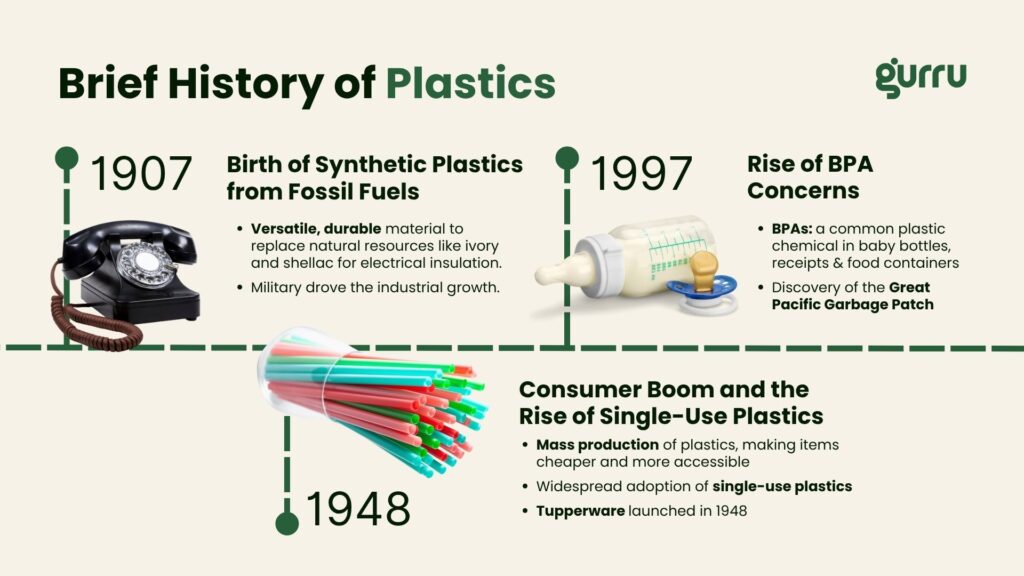
- In 1907, the first synthetic plastic was created, named Bakelite, to replace materials like ivory and shellac for electrical insulation and industrial tools. It was tough, cheap, and useful.
- By the 1940s, plastics had found their place in wartime manufacturing. But once the war ended, the focus shifted from military use to everyday life.
- By 1948, plastic went mainstream. Tupperware launched, and single-use plastics became part of daily life. Convenience was in, and plastic was everywhere, from food packaging to household goods.
- Almost 50 years later, in 1997, things took a turn. Researchers discovered the Great Pacific Garbage Patch, a swirling mass of plastic debris floating between Hawaii and California. That same year, concerns over BPA, a common plastic chemical found in baby bottles, food containers, and even receipts, made headlines for its potential health risks.
Plastic has become part of nearly everything we use. The more we produce, the more we rely on it – even when we don’t need to.
1.2. Is it all necessary?
Think back 20 or 30 years. Shampoo came in glass bottles. Cereal boxes had waxed paper liners instead of plastic. Toys and household goods were sold in sturdy cardboard boxes designed to be reused. Meat and cheese were handed over the counter, wrapped in paper. Packaging was simpler, more durable, and often reused rather than discarded.
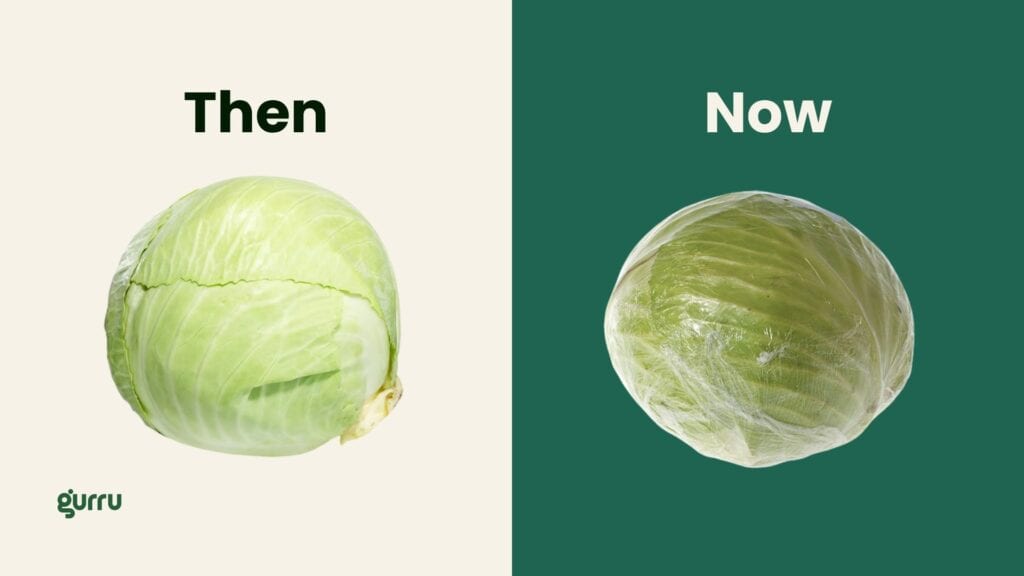
Fast forward to today: we’ve got snack-sized juice boxes, pre-sliced fruit in plastic platters, and individually cling-wrapped cabbages. This shift wasn’t consumer-led, rather, it was manufacturer-led, designed to offer convenience, increase shelf presence, and boost sales.
- Packaging accounts for over 40% of all plastic waste, according to the UN Environment Programme.
- Australians consumed around 131 kg of plastic per person in 2009–10, rising to ~148 kg in 2022–23 – with forecasts suggesting it could reach 285 kg by 2050.
- By 2050, it is estimated that plastic in the oceans will outweigh fish.
In other words, we’re not just making more products. We’re manufacturing more packaging per product than ever before.
The good news? We’ve started to push back. Bans on single-use plastics, stricter product stewardship, and rising consumer awareness are already making a dent. In Australia, coastal plastic pollution decreased by 39% in just one year, thanks to community action and targeted policies (CSIRO, 2025). In some cases, plastic bag bans even reduced up to 50% of plastic bag shoreline litter.
But the not-so-good news? The plastic problem is no longer just about what we throw away, it’s about what we can’t see.
2. The (Tiny) Elephant in The Room: Microplastics
So, how do these tiny particles get into everything?
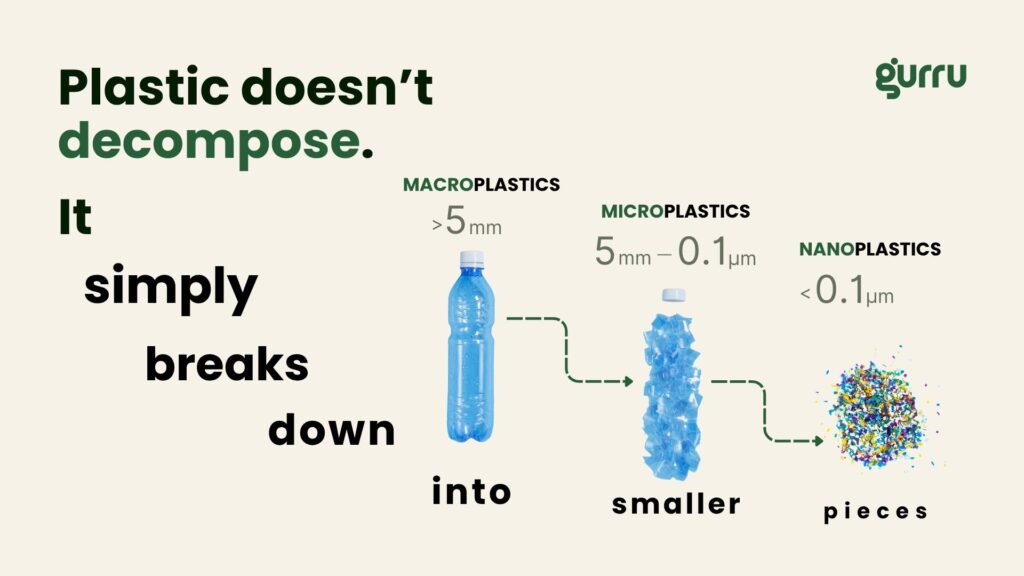
Microplastics are tiny fragments that break down from larger plastic items, think clothing fibres, bottle caps, or even car tyres. They’re too small to filter out and end up in the air we breathe, the water we drink, and the soil where we grow our food.
2.1. It’s in Our Food
Plastic packaging surrounds everything from fresh produce to microwave meals. These plastics can release chemicals like BPA and phthalates, especially when heated. These compounds have been linked to hormone disruption, fertility issues, and developmental concerns.
Even tea bags, which were once made out of paper, can be made with plastic, meaning your morning cup might come with several unwanted extra ingredients. When brewed at a high temperature (> 40 degrees Celsius), the material of the plastic tea bags can break down or release disruptive chemicals, affecting you with every sip, without you even noticing it.
2.2. It’s in Our Waterways
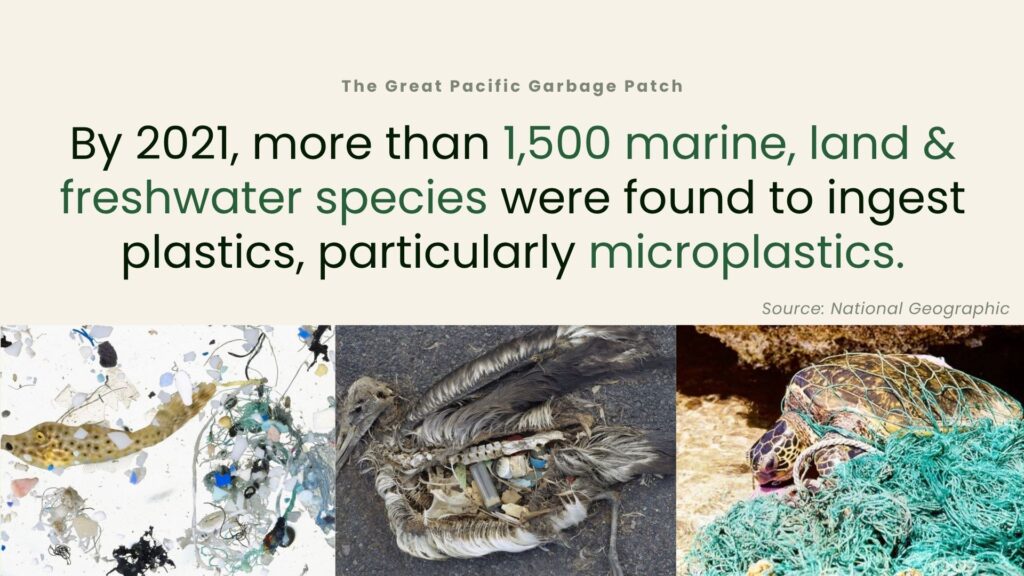
Plastic waste doesn’t vanish. It breaks down into tiny fragments, which make their way into oceans and rivers. Marine animals such as oysters and fish often ingest these particles. When we eat seafood, we are likely eating some of those plastics too. According to Food Standards Australia, researchers are still studying the health impacts, but the exposure is real.
2.3. It’s in Our Bodies
Microplastics have now been found in human lungs, placentas, and even in our bloodstreams. According to an analysis in 2019, the average person ingests 39,000–52,000 microplastic particles annually via food, water, and air – that equates to about one credit card a week!

2.4. … And In a Lot More Unexpected Places
Recent studies have found microplastics in the placentas of unborn babies, in drinking water (bottled water AND tap water), in dishwasher, and even in clouds. While researchers are still uncovering the full health impacts, it’s clear: we’re living in a world laced with plastic dust.
3. What You Can Do About It (Realistically)
3.1. Everyday Swaps
- Bring Your Own (BYO) cups on your coffee runs, or even better, stay and enjoy your coffee in-house
- Use loose-leaf tea with a metal infuser or a strainer, instead of plastic-sealed tea bags
- Replace cling wraps with beeswax wraps or reusable containers (preferably glass containers). You can even DYI beeswax wraps at home.
- Learn how to brew your own coffee at home using coffee grounds (if you can afford to) instead of using disposable pods
- Swap out plastic chopping boards for wooden or bamboo alternatives
- Avoid plastic utensils when cooking and choose stainless steel or wooden spatulas
- Avoid heating food in plastic (take-away) containers
- Buy in bulk and avoid individually wrapped items. Visit your local farmers’ market where loose produce is not often wrapped in plastic like their supermarket alternatives!
… And a lot more! We recommend visiting Get Involved – Plastic Free July for more ideas on how others are doing to reduce their plastic use in their daily lives, without overhauling their entire lifestyles.
3.2. Opportunities for buildings and offices
- Provide reusable coffee cups, bowls, plates and cutlery in the shared kitchen. To make it easy, keep a clean-up station nearby with dish racks and clear signage.
- Encourage BYO lunch culture. Plastic takeaway packaging adds up quickly. BYO lunch not only reduces waste but also is likely to be healthier and cost-effective.
- Get rid of under desk bins. Do this for two reasons: (1) It cuts down usage of plastic bin liners; and (2) These bins are often used for all types of trash, leading to contaminated waste and very little recycling.
- Choose sustainable catering. We recommend Radish Events – a Sydney-based sustainable catering team that focuses on working primarily with local & seasonal produce and reducing waste (food and packaging) in their operation.
- Educate your staff and tenants on what plastic is recyclable and what isn’t, and then through workshops, digital campaigns or signage, ensure they have the information they need to use the correct bins on site to minimise contamination.
4. What’s Changing in Australia and Around the World?
4.1. Australia
When it comes to single use plastic bans, Australia focuses on a bottom-up approach. Being state led not only enables healthy policy competition, but also empowers local leadership to closely support businesses and communities through the change.
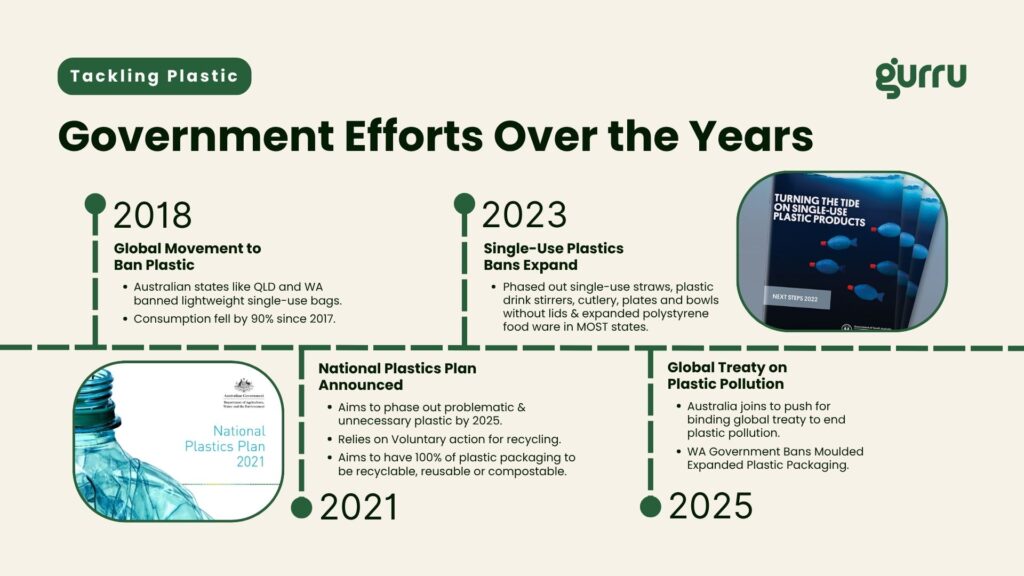
- In 2018, the & WA ban on single-use lightweight plastic shopping bag yielded immediate results. Within months, Australia saw an 80% drop in plastic bag use, cutting more than 5 billion bags out of circulation.
- In 2021, the National Plastics Plan 2021 was introduced, setting targets to phase out harmful plastics and make all packaging recyclable, reusable or compostable by 2025.
- By 2023, most states had banned more than just bags. The new rules now cover: plastic straws, cutlery, plates and bowls (without lids), drink stirrers, Polystyrene takeaway containers. You can see a full breakdown by state here.
- In 2025, Australia joined a growing list of nations pushing for a global treaty to end plastic pollution. At the same time, WA took it a step further by banning moulded foam plastic packaging.
4.2. Around the World
Lisbon, Portugal: First City-Wide Reusable Cup System (2025)
Lisbon is the first European capital to roll out a city‑wide reusable cup scheme. Starting June 2025, cafés, bars, and event venues offer drinks in standardised cups with a €0.60 deposit. Patrons return them via TOMRA deposit-return machines. This initiative targets the estimated 25,000+ throwaway cups used daily in Lisbon’s city centre, promoting a “culture of reuse” in hospitality areas.
Belfast, Northern Ireland: Reusable Nightlife Cups (2025/26)
In Belfast, a coalition of nightlife venues, including bars, clubs, and entertainment spaces, is piloting a reusable cup initiative expected to eliminate 40 tonnes of plastic waste per year from the city’s evening economy. As part of the scheme, reusable cups are delivered to venues and used ones are collected post-event. The cups are then washed at a central facility before being redistributed, creating a closed-loop system. The initiative is backed by hospitality groups and local government as a model for circular nightlife economies.
Kenya: Toughest Plastic Bag Ban (2017)
Kenya introduced arguably the world’s strictest ban on single‑use plastic bags in August 2017. Anyone producing, selling or using plastic bags faces penalties of up to four years in prison or KSh 4 million (~US$ 40,000). Two years post-ban, compliance reached around 80%, and plastic bag litter nearly disappeared from cities. However, education, awareness and adherence to the regulations remain a challenge.
Chile: Comprehensive Food & Bottle Reuse Law (2021)
In August 2021, Chile passed Law N°21.368, one of the most ambitious single-use plastic laws in Latin America. It bans disposable cutlery, stir sticks, foam containers in food establishments, and requires returnable beverage bottles with recycled content. It is expected to cut 23,000 tonnes of plastic annually.
5. Choose Better, Not Perfect
Let’s be honest. Eliminating plastic completely isn’t realistic.
But that doesn’t mean we’re powerless.
By understanding where plastic hides, how it affects us, and what simple swaps we can make, we can reduce our exposure and our impact. It’s not about guilt or going zero-waste overnight. It’s about making progress.
Start small. Pick one thing to change this week. Share a tip with a friend. Start a conversation at work. It all counts.
6. Ready to Take Action?
✅ Try one of the swaps mentioned above.
✅ Share this blog with a friend or colleague.
✅ Talk to your building manager on ways your office of building can better manage recycling. Alternatively, our waste experts bring campaigns straight to your building’s lobbies that bring lasting behavioural change. Contact one of our team members to talk about our Waste Engage program, rolling in buildings across Australia now.
✅ Register for our Waste Webinar: “Plastic – Problem, Solution, or Both?” and learn more about the topic via a short and sharp 30-minute session.
Rolling out an organics stream in your shopping centre? Learn the four steps successful retail centres use to improve tenant participation, reduce contamination and prepare for FOGO requirements.
Rolling out an organics stream in your shopping centre? Learn the four steps successful retail centres use to improve tenant participation, reduce contamination and prepare for FOGO requirements.

Managing waste data across multiple offices? Discover how Bintracker’s Multi-Tenancy Portal simplifies reporting and improves visibility across your entire footprint.